Learn
Learn about indoor air quality and how to fix it.
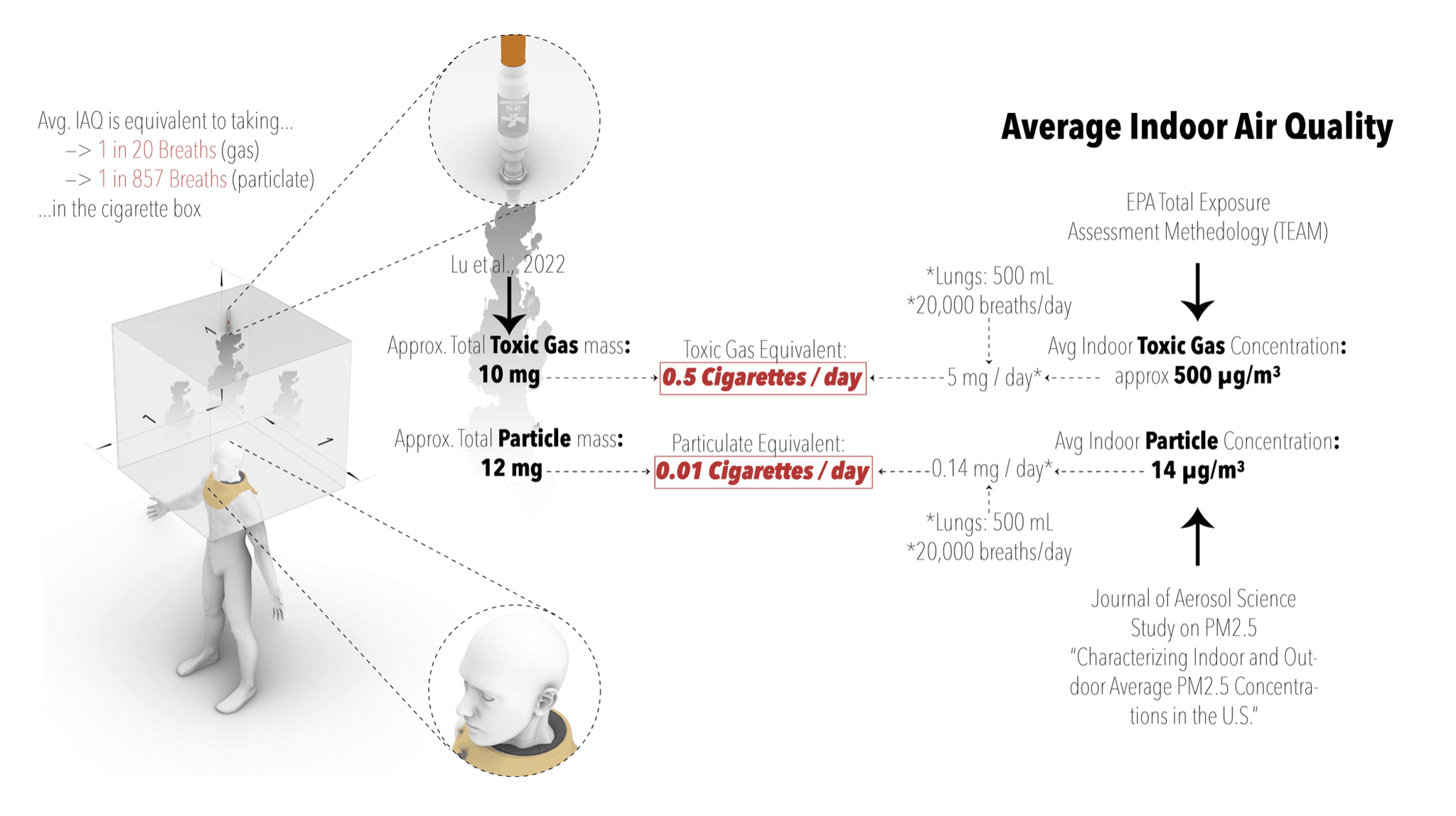
We inhale the equivalent of 1/2 a cigarette per day in toxic gases.
(Estimate based on typical concentrations).
Gases pass straight through the HEPA filters in air purifiers.
(HEPAs capture solid particles, not gases)
Learn
Learn about indoor air quality and how to fix it.
We inhale the equivalent of 1/2 a cigarette per day in toxic gases.
(Estimate based on typical concentrations).
Gases pass straight through the HEPA filters in air purifiers.
(HEPAs capture solid particles, not gases)
Learn
Learn about indoor air quality and how to fix it.
We inhale the equivalent of 1/2 a cigarette per day in toxic gases.
(Estimate based on typical concentrations).
Gases pass straight through the HEPA filters in air purifiers.
(HEPAs capture solid particles, not gases)
Air and toxins.
Explore what air quality means for indoor spaces and how plants can transform your toxic environment.
Light and carbon.
Discover how plants capture carbon dioxide, make oxygen, and have the potential to dramatically reduce building HVAC energy consumption.
Water and health.
Learn the science behind plant pixel's watering systems and what it takes to keep plants healthy.
Air and toxins.
Explore what air quality means for indoor spaces and how plants can transform your toxic environment.
Light and carbon.
Discover how plants capture carbon dioxide, make oxygen, and have the potential to dramatically reduce building HVAC energy consumption.
Water and health.
Learn the science behind plant pixel's watering systems and what it takes to keep plants healthy.
Air and toxins.
Explore what air quality means for indoor spaces and how plants can transform your toxic environment.
Light and carbon.
Discover how plants capture carbon dioxide, make oxygen, and have the potential to dramatically reduce building HVAC energy consumption.
Water and health.
Learn the science behind plant pixel's watering systems and what it takes to keep plants healthy.
Plants actively clean indoor air via biofiltration, not just through passive absorption.
Botanical biofilters harness this process, combining plant biology and engineered airflow.
Plants actively clean indoor air via biofiltration, not just through passive absorption.
Botanical biofilters harness this process, combining plant biology and engineered airflow.
Plants actively clean indoor air via biofiltration, not just through passive absorption.
Botanical biofilters harness this process, combining plant biology and engineered airflow.
The Science of Botanical Biofilters
Botanical biofilters, like Plant Pixel, improve air quality by pulling air through plant roots and soil where microbes break down common indoor pollutants. This natural process both reduces volatile organic compounds and introduces healthy humidity.
Plants such as pothos and snake plants are especially well-suited for biofiltration, thanks to their robust root zones and high tolerance for a range of indoor conditions. When combined with active airflow—using a built-in fan—these plants filter air more efficiently.
Beyond clean air, biofilters offer additional benefits: improving wellbeing, supporting indoor ecosystems, and adding greenery to your home or workspace. Learn more below about implementation, care, and integration with modern greenwall solutions.
The Science of Botanical Biofilters
Botanical biofilters, like Plant Pixel, improve air quality by pulling air through plant roots and soil where microbes break down common indoor pollutants. This natural process both reduces volatile organic compounds and introduces healthy humidity.
Plants such as pothos and snake plants are especially well-suited for biofiltration, thanks to their robust root zones and high tolerance for a range of indoor conditions. When combined with active airflow—using a built-in fan—these plants filter air more efficiently.
Beyond clean air, biofilters offer additional benefits: improving wellbeing, supporting indoor ecosystems, and adding greenery to your home or workspace. Learn more below about implementation, care, and integration with modern greenwall solutions.
The Science of Botanical Biofilters
Botanical biofilters, like Plant Pixel, improve air quality by pulling air through plant roots and soil where microbes break down common indoor pollutants. This natural process both reduces volatile organic compounds and introduces healthy humidity.
Plants such as pothos and snake plants are especially well-suited for biofiltration, thanks to their robust root zones and high tolerance for a range of indoor conditions. When combined with active airflow—using a built-in fan—these plants filter air more efficiently.
Beyond clean air, biofilters offer additional benefits: improving wellbeing, supporting indoor ecosystems, and adding greenery to your home or workspace. Learn more below about implementation, care, and integration with modern greenwall solutions.
How do plants improve indoor air quality?
Plants naturally absorb and break down many airborne pollutants through their leaves, roots, and the microbes living in their root zone. By circulating indoor air through soil with fans, effective biofiltration is achieved.
Which plants are best for biofilters?
Hardy species like pothos and snake plants are ideal, as they tolerate a range of light and humidity. These plants have robust root systems that support biofiltration with minimal care.
What maintenance is required for a Plant Pixel biofilter?
Maintenance is simple: keep the plant healthy with regular watering and light, occasionally check airflow, and ensure the fan and electronics are clean and functioning.
How do plants improve indoor air quality?
Plants naturally absorb and break down many airborne pollutants through their leaves, roots, and the microbes living in their root zone. By circulating indoor air through soil with fans, effective biofiltration is achieved.
Which plants are best for biofilters?
Hardy species like pothos and snake plants are ideal, as they tolerate a range of light and humidity. These plants have robust root systems that support biofiltration with minimal care.
What maintenance is required for a Plant Pixel biofilter?
Maintenance is simple: keep the plant healthy with regular watering and light, occasionally check airflow, and ensure the fan and electronics are clean and functioning.
How do plants improve indoor air quality?
Plants naturally absorb and break down many airborne pollutants through their leaves, roots, and the microbes living in their root zone. By circulating indoor air through soil with fans, effective biofiltration is achieved.
Which plants are best for biofilters?
Hardy species like pothos and snake plants are ideal, as they tolerate a range of light and humidity. These plants have robust root systems that support biofiltration with minimal care.
What maintenance is required for a Plant Pixel biofilter?
Maintenance is simple: keep the plant healthy with regular watering and light, occasionally check airflow, and ensure the fan and electronics are clean and functioning.